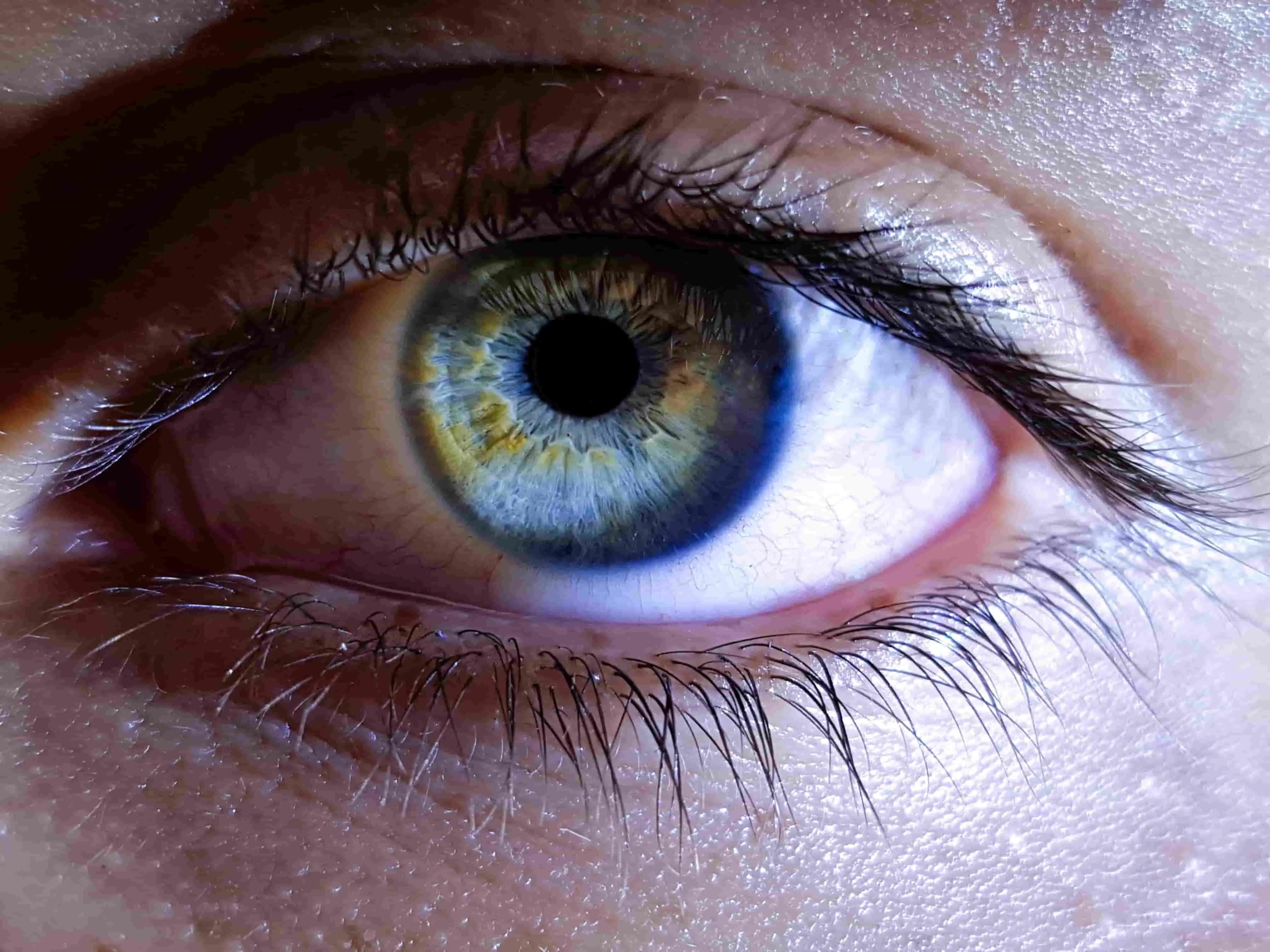
Glaucoma is a group of eye diseases that damage the optic nerve, the part of the eye responsible for sending visual signals to the brain. It is one of the leading causes of irreversible blindness worldwide. The most common reason for this damage is high pressure inside the eye, but glaucoma can also occur even with normal eye pressure.
Early detection is crucial because glaucoma often shows no symptoms until significant vision loss has already occurred.
What Is Glaucoma?
Inside the eye, a clear fluid called aqueous humor flows in and out to maintain pressure. When this fluid does not drain properly, pressure builds up and damages the optic nerve.
Glaucoma can affect anyone but is more common as we age.
Symptoms of Glaucoma
Many patients do not experience early symptoms. Vision loss usually happens slowly.
Early-Stage Symptoms
- No noticeable symptoms
- Slight loss of peripheral (side) vision
Advanced Symptoms
- Tunnel vision
- Blurred vision
- Difficulty seeing in dim light
- Halos around lights
- Eye pain or redness (in acute cases)
- Sudden headache, nausea (in angle-closure glaucoma)
If you experience sudden severe pain or nausea, it may be an emergency—seek medical help immediately.
Types of Glaucoma
1. Primary Open-Angle Glaucoma (Most Common)
- Develops slowly
- Painless
- Often goes unnoticed until significant vision loss occurs
2. Angle-Closure Glaucoma (Medical Emergency)
- Sudden blockage of fluid drainage
- Rapid increase in eye pressure
- Causes severe pain, redness, and blurred vision
3. Normal-Tension Glaucoma
- Optic nerve is damaged even though eye pressure is normal
- Often related to poor blood flow to the nerve
4. Secondary Glaucoma
Caused by:
- Eye injury
- Infection
- Inflammation
- Steroid medications
- Other eye diseases
5. Congenital / Childhood Glaucoma
A rare condition present at birth due to abnormal eye development.
Risk Factors
You are more likely to develop glaucoma if you have:
- Age above 40
- Family history of glaucoma
- Diabetes
- High blood pressure
- Severe myopia or hyperopia
- Long-term steroid use
- Eye injury or surgery
- Thin corneas
Regular eye check-ups are important if you fall into any of these categories.
How Glaucoma Is Diagnosed
Eye specialists use several tests to detect glaucoma early:
- Intraocular Pressure (IOP) Measurement
- Optic Nerve Examination
- Visual Field Test (checks side vision)
- OCT Scan (measures optic nerve thickness)
- Gonioscopy (examines the drainage angle)
Early detection = better vision preservation.
Treatment Options for Glaucoma
Although glaucoma cannot be cured, it can be managed effectively to prevent vision loss.
1. Eye Drops
The most common treatment. Helps lower eye pressure by:
- Reducing fluid production
- Increasing fluid drainage
2. Oral Medications
Used when eye drops aren't enough to control pressure.
3. Laser Treatments
- Laser Trabeculoplasty: Helps fluid drain better
- Laser Iridotomy: Creates a tiny opening to relieve pressure in angle-closure glaucoma
4. Surgical Options
Recommended for advanced or hard-to-control cases:
- Trabeculectomy
- Glaucoma drainage implants
- Minimally Invasive Glaucoma Surgery (MIGS)
These procedures help regulate eye pressure long-term.
Living With Glaucoma
- Use eye drops exactly as prescribed
- Attend regular follow-up visits
- Maintain a healthy lifestyle
- Protect eyes from injury
- Monitor other health conditions like diabetes and hypertension
Consistency is the key to preventing further optic nerve damage.
When Should You See an Eye Specialist?
Visit an eye doctor if you experience:
- Sudden eye pain or headache
- Blurred or tunnel vision
- Halos around lights
- Redness with discomfort
- Family history of glaucoma
Routine eye exams every 1–2 years after age 40 are essential for early detection.
Conclusion
Glaucoma is a silent but serious eye disease that can cause permanent vision loss if left untreated. With early diagnosis, proper treatment, and regular monitoring, most patients can maintain healthy vision for life. If you or a family member is at risk, schedule a comprehensive eye examination today.
Need Expert Medical Advice?
Our team of experienced doctors is here to help you with any health concerns.
Book Appointment